Questions for Asli Jensen
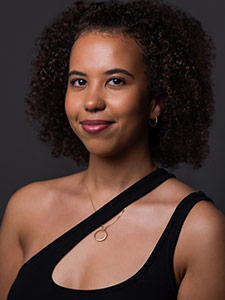
When did you first know you wanted to be a writer and what was the journey from there to becoming published?
I used to say 13 years old as that’s when I remembered writing short stories properly. I was staying up way too late writing awfully embarrassing Wattpad stories (still available, FYI) or fantasising about the Jonas Brothers and writing fanfic.
But then I recently found a diary entry from 2004. I was 8 years old and the very first page read, ‘Hey, I’m Asli and I’m a writer.’ So technically, I’ve been claiming the title since then. I guess it manifested my destiny in some way.
The journey to publication felt like hell and back, and honestly, I wouldn’t have had it any other way. I continued writing leisurely through my teens and early 20s until I decided to do an MA in Creative Writing. I knew the financial investment would force me to take things seriously. I put myself forward for every mentorship programme and slowly, Love on Sight began to take shape. I went through the traditional route of trying to find an agent and collected more rejections than I care to count. There were several moments and long periods where I genuinely felt helpless. Then I had a short story published in Stylist magazine, and something shifted. It reminded me that I had something to say and that people wanted to read my words. I took an alternative route and started submitting Love on Sight to competitions and eventually won the Lime Pictures New Storyteller Award in the 2023 Times/Chicken House Children’s Fiction Competition, where I received a publishing contract.
You’ve talked about your intention to write about characters that felt real. How important was that to you, and how did you go about making your characters so believable?
I believe that many readers want to see themselves in characters and this extends beyond the physical. I mean the specific, embarrassing, complicated experience of being a teenager. The things you’re quietly ashamed of. The arguments that happen at home that you’d never tell your friends about. The strange thoughts you have that you’d never dare to speak aloud.
I never had that growing up. I couldn’t find characters who worried about the things that I worried about or who navigated the dynamics I navigated. For instance, being caught between cultures, dealing with the undertone of religious expectations, managing what your family expects and what you actually feel – all within the context of living on a council estate in London.
So, I wrote from experience. First and second-hand. A huge portion of the book was written while I was working in the youth justice system and that essentially shaped everything. The young people I worked with were complex, funny, resilient, and contradictory. It was consuming my life in the best and worst way, so it inevitably fed directly into the book.
And for the bits and bobs that I wasn’t so sure about, I’d pester my teenage sister relentlessly to make sure my characters felt real and multi-dimensional.
You’ve also described yourself as a ‘true romantic’. What do you find most satisfying about writing romance, and are there any pitfalls?
What’s the most satisfying thing? I get to decide what happens. No situationships. No failed talking stages. No toxicity. I have autonomy in curating these stories.
Being able to write love on my own terms is one of the most fulfilling and empowering things I’ve done. I have so many impressions about what romance can look like, what it should feel like, and having the freedom to build that on the page is the best feeling in the world. Writing romance is the calm amid my personal spontaneous life. It’s my comfort. My solace.
I think I’ve been indoctrinated since young that romance is the best, like every other TV show or book I read needs to have a love story. There’s something very healing about romance for me. People often discredit their teenage loves because they feel they were too immature or their ‘frontal lobe hadn’t developed’ – I think your teen romance is actually what starts your development and is very character building. It’s your first time feeling love, and it’s important not to forget it, it’s had a part to play in who you are today.
Pitfalls? I don’t believe I have come across any yet.
Are there any authors who have influenced your writing style?
Candice Carty-Williams because Queenie showed me that a Black British woman’s inner life could be the whole entire story. Just fully centred. Wuthering Heights by Emily Brontë as an extreme example because it shows that love has no bounds, and if I wanted to, I could go to the extremes. Girl, Woman, Other by Bernardine Evaristo because of how layered it is – so many voices, so many lives, all woven together. And The Hate U Give by Angie Thomas, which is just a staple YA book for a reason. I think my writing style is unique and also a culmination of all the writers and books I love so much.
What can you tell us about working with Shalu, your editor? What did you enjoy most about the editing process?
Working with Shalu felt right from the start. We gel really well, and there was a real sense of collaboration and joy in bringing Love on Sight to life. As a debut author, I had no real expectations and experience of working with an editor and what that relationship could look like. With Shalu, it was seamless. We’ve always been on the same page and I feel so blessed!
What I loved most, which lowkey sounds strange, was the anticipation of waiting for Shalu’s emails with a new round of edits. Her notes pushed the novel further than I could have taken it alone, and I think that’s the mark of a great editorial relationship.
What’s the best writing advice you’ve received, and what advice do you have for anyone wanting to write contemporary teenage love stories?
The best advice I ever got was something along the lines of, write your book before someone else does. It sparked something internally that made me realise I have something to say to the world, and I couldn’t live with myself if I had to watch someone else share that message.
My advice for anyone wanting to write contemporary teenage love stories is to go deep! Use your life. Use your embarrassments and your obsessions and the things that kept you awake at night. It’s the specificity that makes things universal. Never be vague. Write the character you needed when you were that age, and trust that someone out there needs them too.
Questions for Shalini (Shalu) Vallepur
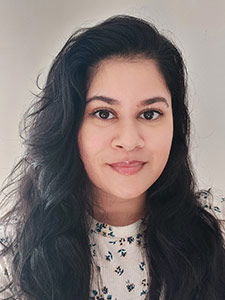
Love on Sight began as an entry to The Times/Chicken House Children’s Fiction Competition. What made it stand out for you?
Asli’s incredible writing voice! I was struck by the writing and immediately transported into Jalaal’s head. He felt so real and everything came alive. I don’t think I’d read anything like it in YA before, so it was an immediate ‘yes’. I remember saying to Barry Cunningham that if Love on Sight didn’t make the shortlist and if the judges didn’t pick Love on Sight as a winner, then I wanted to sign Asli anyway!
As an editor, what marks out the most exciting new authors and what do you look for in submissions?
Again, it’s the voice! When the voice is so good, I’ll read a few pages and then forget I’m technically working and carry on reading the book for fun (that what happened when I first read Love on Sight!) That’s always a good sign!
What did you and Asli work on when editing the book? What were the main notes you gave her?
We focussed on the plot and adding tension to Jalaal and Sabrina’s relationship. Asli said from the beginning that it was never a case of ‘will they, won’t they’, but we knew their love needed to be realistically tested so they could come away stronger. Jalaal and Sabrina were beautifully whole characters already so it was great to chat with Asli and see what elements of their character we could take and use to build tension in the plot. The University scene is a good example of this, and what happens there has big consequences!
You’ve talked about the challenge of maintaining Asli’s fresh voice and keeping true to the characters during line edits. Can you tell us more about that?
Asli’s voice is so wonderfully authentic, and the characters were truly alive, so I wanted her to be in charge. I couldn’t put words into Sabrina or Jalaal’s mouths! So, in the line edit, I focused more on shining a light on pacing and asking what the characters would do and say.
When did you realise you wanted to be an editor? What was the career path that led you to becoming an editor?
I didn’t pursue a career in publishing at first – in fact, when I graduated from university, I heard about the publishing industry but thought I would never be able to break into it, it wasn’t for me. I just loved books and reading and worked and volunteered with charities who supported children. I applied for lots of local office jobs and one happened to be at a children’s publisher which I was stunned to actually get. It was the best doorway in, as I got to be creative, writing and editing children’s non-fiction before moving on to editing younger fiction and chapter books, and then working on MG and YA novels. I found myself enjoying the longer novel work a lot more than I thought I would, and so when the position at Chicken House opened, I took a chance, and here I am! When I say I never thought I would be longlisted or shortlisted for he Branford Boase Award, I really mean it!
What do you think makes a good editor and what’s the most enjoyable part of the role?
Listening and truly understanding an author so that you can lift them up where needed, shine a light on their strengths and make sure they’re telling the story in the best way they can. You work so closely during the editorial process for months and months that having a solid understanding is vital. I think of my own days of writing and being edited, and I remember how nerve-wracking it could be to receive editorial notes. There’s always going to anxiety and daunting parts of the editorial process, but I want to reassure authors and make sure they are comfortable to express themselves both on the page and with me, and that comes through listening and collaborating.
The most enjoyable part? Structural editing can be one big puzzle, and I love getting stuck in and piecing it all together. Those editorial ‘eureka’ moments when something just clicks with the characters and plot – I live for those moments! And on a cheesier note, it’s working with exceptionally talented people and helping them to achieve their dreams of getting published.
Love on Sight by Asli Jensen is published by Chicken House, 9781915947864, £8.99 pbk.
Thank you to Asli Jensen and Shalini Vallepur for answering our questions.